Phonics and Reading
We are readers learning to flourish in the world
‘Today a reader, tomorrow a leader.’
Margaret Fuller
INTENT:
Swinderby All Saints wants every child to become fluent, expressive readers able to cope with the rigors of academic study. With this skill in place every child should be able to unlock their potential, a potential for academic success and lifelong learning.
Here at Swinderby Primary school reading is given the highest priority as we want pupils to be able to recognise and apply letters and sounds in order to successfully read and write independently. We know the importance of phonics as a tool to enable this in the early years and aim for all children to be fluent and confident ‘comprehenders’ using a wide variety of high-quality texts from a range of authors. We recognise reading as opening up a ‘whole new world’ to learners and want to encourage and help develop a love of reading with all our children.
IMPLEMENTATION:
Phonics is currently taught at Swinderby All Saints Primary School through the Read, Write, Inc programme. Read, Write, Inc. Phonics is an inclusive programme for all children learning to read. Children learn the 44 common sounds in the English language and how to blend them to read and spell. The use of pictures and memorable phrases is used to aid children’s retention and recall of phonemes for reading and spelling. Children are given ample opportunities to orally explore characters’ action, thoughts and feelings and to rehearse their writing. It is a detailed and systematic programme for teaching phonic skills and building children’s phonic knowledge in a clear sequence whilst developing children's speaking and listening skills in their own right. The programme builds children’s phonic knowledge in a clear systematic way.
We teach phonics in smaller groups, based on age and stage and some KS2 children also access phonics sessions if it is still appropriate for their needs.
We believe that Read, Write, Inc (RWI) phonics provides the foundations of learning to make the development into fluent reading and writing easier. Children learn to read fluently and at speed so they can focus on developing their skills in comprehension, vocabulary and spelling. Through RWI phonics children learn a simple alphabetic code followed by a more complex code. All reading books progress cumulatively, matched to the sound’s children are learning and already know.
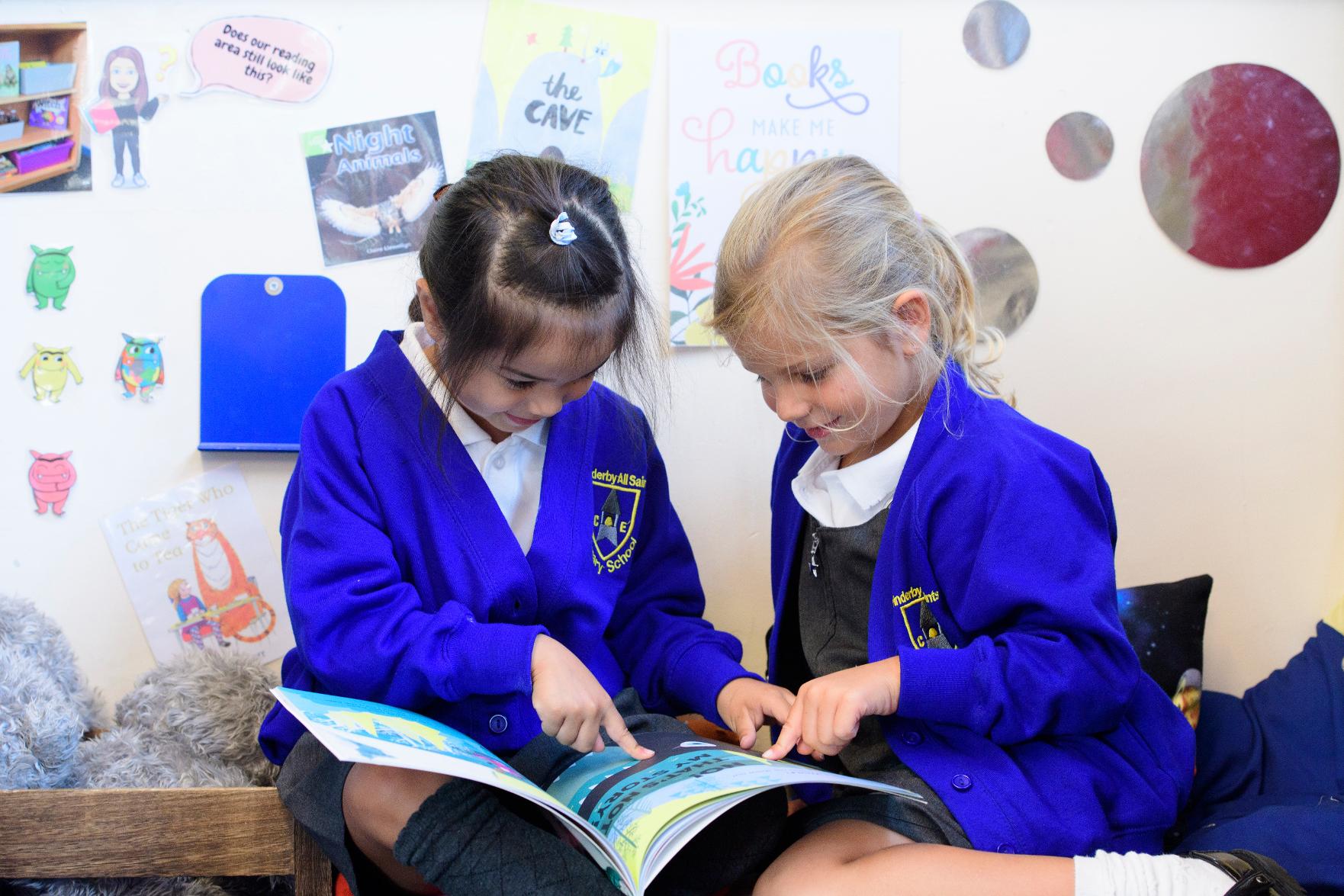
Each child is given appropriate support and provided with a mixture of reading and writing activities forcused around an appropriate storybook. In addition, children are taught to work effectively with a partner to explain and consolidate what they are learning. This provides the teacher with opportunities to assess learning and to pick up on difficulties, such as children’s poor articulation, or problems with blending or alphabetic code knowledge. Early group and individual interventions are provided to ensure understanding and application of the phonics that has been taught. Regular assessments ensure that chidlren are always placed in the most relevant group based on their reading stage.

|
What to teach when | [pdf 263KB] |

|
Use of pure sounds
 |
Parent video: How to say the sounds |
| How to pronounce the sounds learned during phonics sessions |
Phonics Information
In October we invited parents to visit us to come and see phonics being taught. We had lots of parents interested which meant we had to offer a second date. Parents came to see each group, ask questions and get an understanding of what their child was doing in phonics.
It was great to see the view from the parents and have some fantastic discussions on how we can support the children!
We are offering another date soon, so please watch out for an email!
Phonics Screening results 2023/20204 90% of children in Year 1 passed their phonics screening. We are grateful for all the support parents and staff have given in order to ensure all children are learning to read.
Phonics screening 2022/2023 92% of children in Year 1 passed their phonics screening. This is fantastic for the children. Thank you to all the parents, staff and children for their hard work and determination.
Reading
Reading is encouraged from the moment children start Swinderby All Saints Primary School and from the first day children are encouraged to share a story book at home from the class library. Staff ensure that children read books that are closely matched to their ability. This is so that, early on, they experience success and gain confidence that they are readers. Our aim is that every child feels confident with the books. Alongside the focused storybook in RWI lesson, children are encouraged to take home a storybook to read called 'bookbag book', as well as a sharing book from the class and school library.
Once children have progressed through the programme and are confident readers with a secure knoweldge of the sounds, blending and 'red words' they will follow the RWI spelling programme and the children will be guided into selecting books they can decode and read. Older children also support younger children through the school’s ‘Reading buddy’ programme.
Whole class and smaller group reading are also taught depending upon the focus and during these sessions there is the opportunity for children to be exposed to new vocabulary and to read alongside someone (echo read) as support.
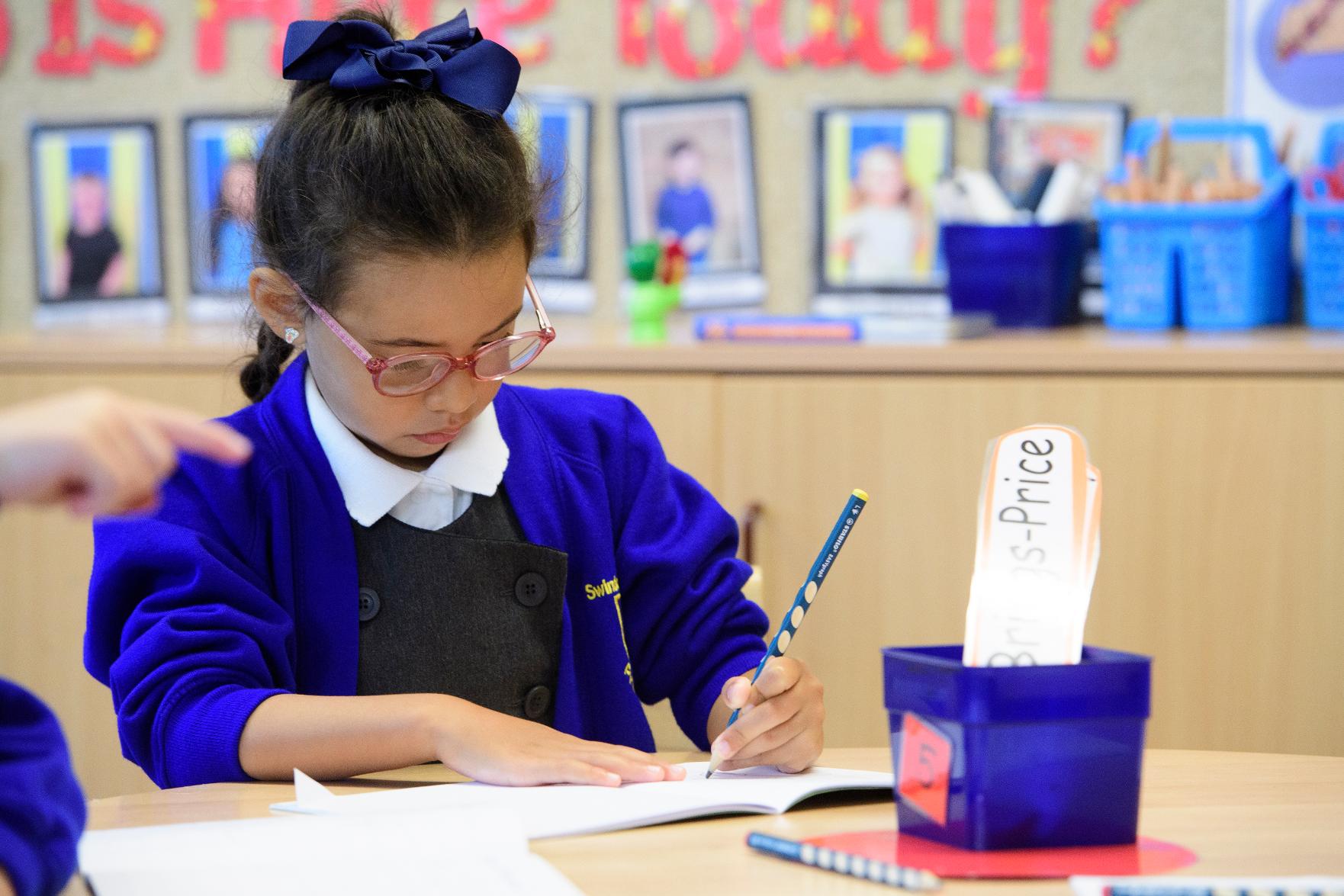
Reading comprehension is focused on more once childrne have finished RWI. This is not just taught through reading text and answering questions but through teachers teaching the following: the use of prior knowledge, retrieval, literal understanding, making predictions, inference, sequencing, questioning, visualising and summarising. In addition, each class has its dedicated storytime, where there is an ongoing class storybook, and it is during this time that a love of reading is promoted.
Phonics screening check:
The phonics screening check is completed by all Year 1 children in England and is a way for teachers to ensure that children are making sufficient progress with their phonics and are on track to becoming fluent readers. Children in Year 1 complete the screen in June. Some children may need to repeat the phonics screening check in Year 2. There is more information about the Year 1 phonics screen and some frequently asked parent and carer questions on the Oxford Owl website and more information will be shared closer to the phonics screening.
INTENDED IMPACT:
- Children will be able to apply phonics and reading skills to their reading and writing in the wider curriculum
- Children will be able to make phonetically plausible attempts at spelling more complex words when writing
- Children will be able to spell many of the common exception words for their Year group
- Children will be able to read and spell the 'red words' tricky words for each phase of their phonics
- As children progress throughout the school, they will have a range of strategies for decoding words, not just phonics
- Children will read for pleasure
- The percentage of pupils achieving a pass at the Phonics Screening check will be in line with the national average
- As the children progress through the school, they will become fluent readers able to access a varied diet of texts for different purposes- including pleasure, fact finding etc
- The percentage of pupils in Year 6 attaining at least expected standard will be in line with the national average

Book Fair 2023
We have had lots of fun looking and selling books as part of our book fair. We are appreciate all the families supporting us with buying books but also supporting their children in reading for pleasure!
We are looking forward to seeing how much money has been sent and any rewards we may get!
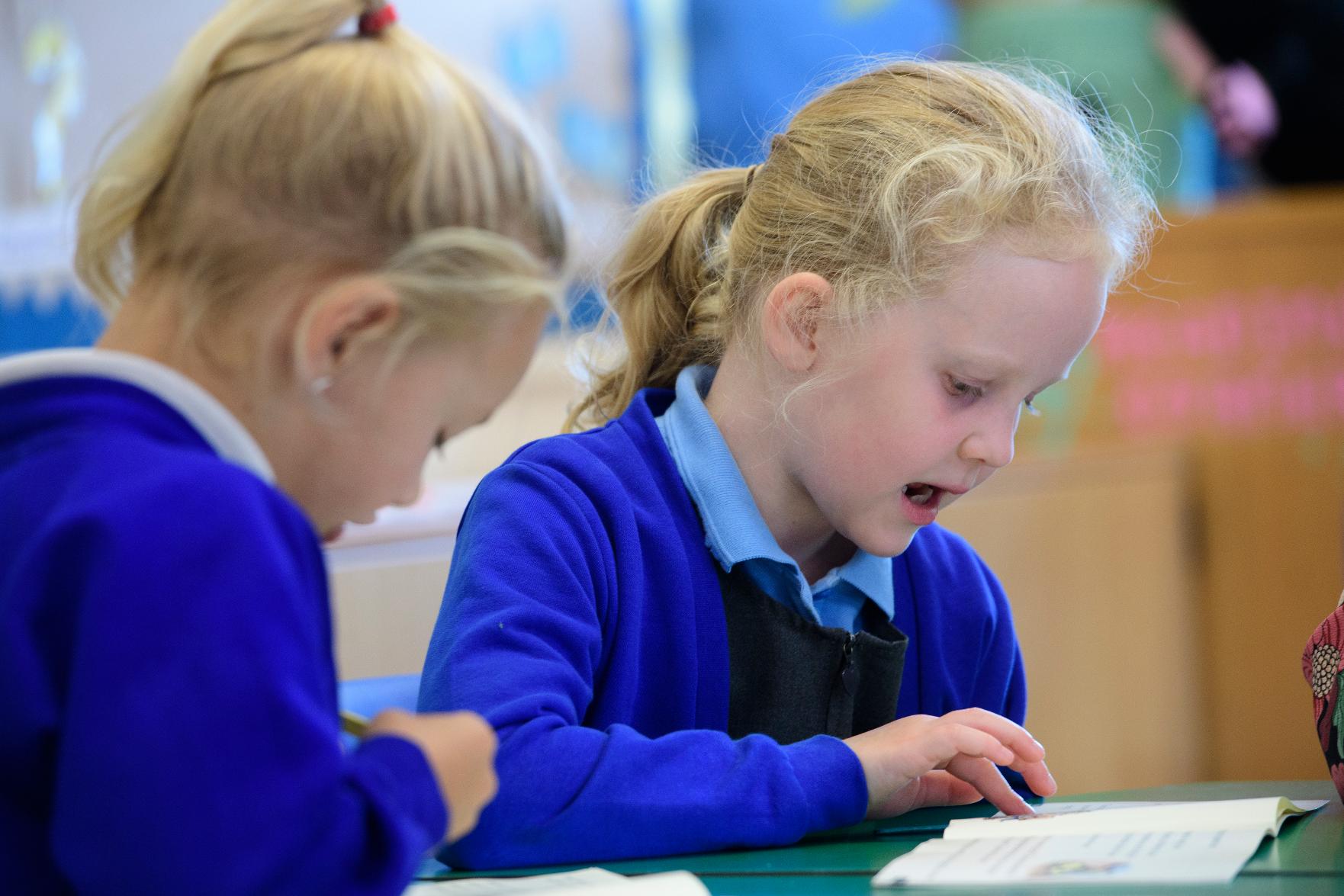
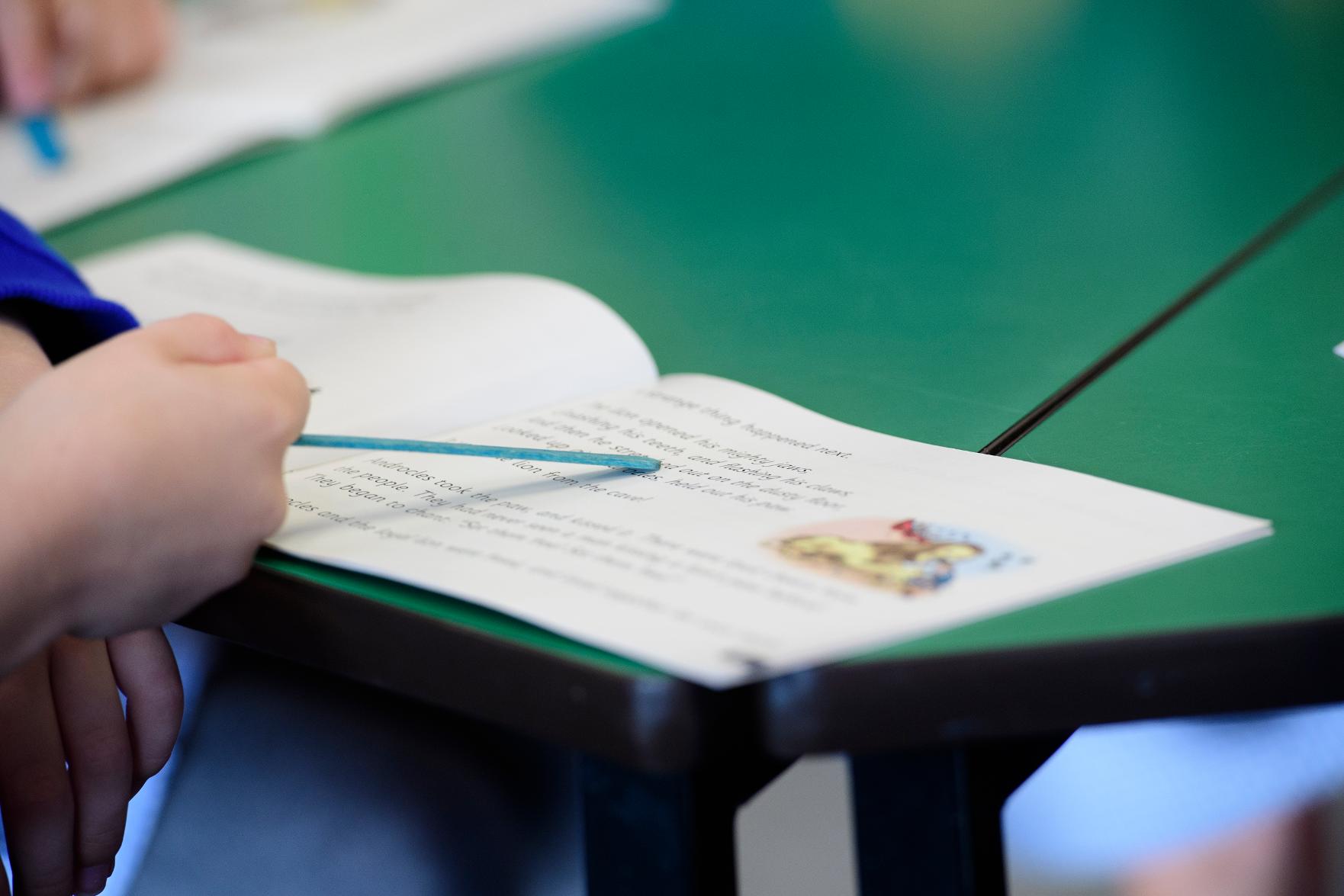
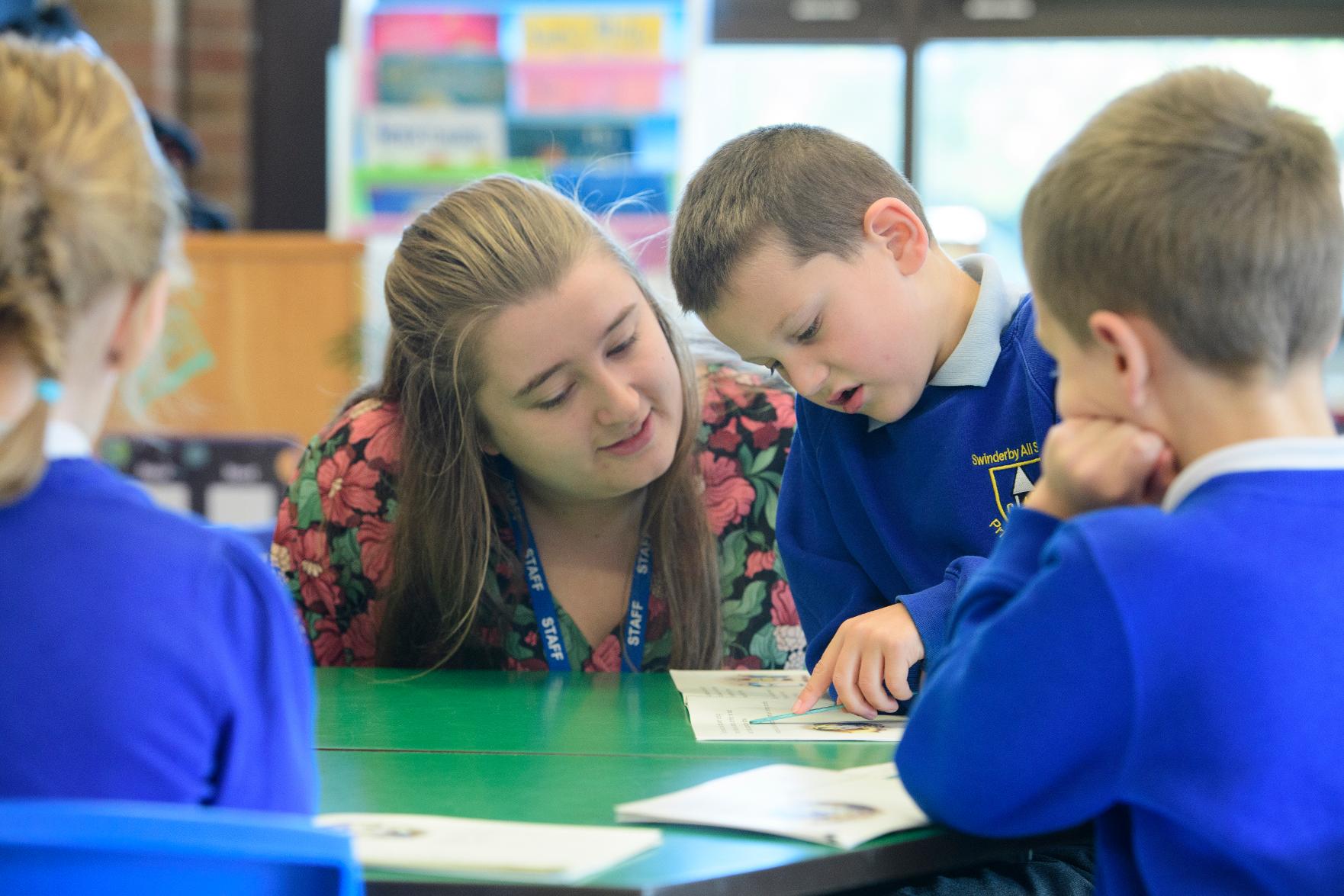
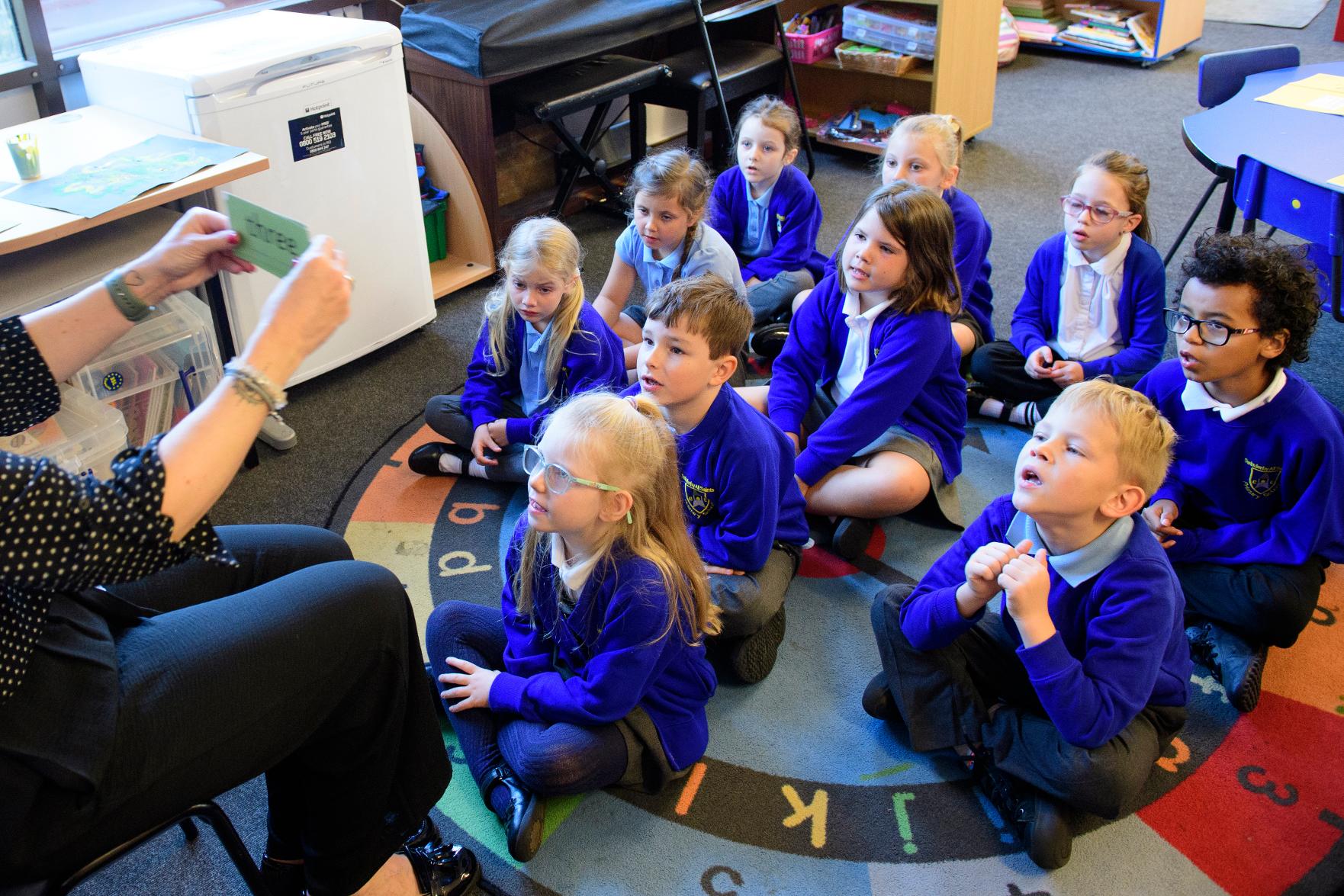
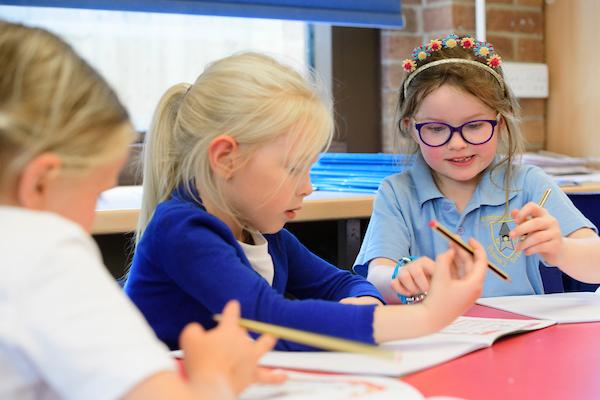
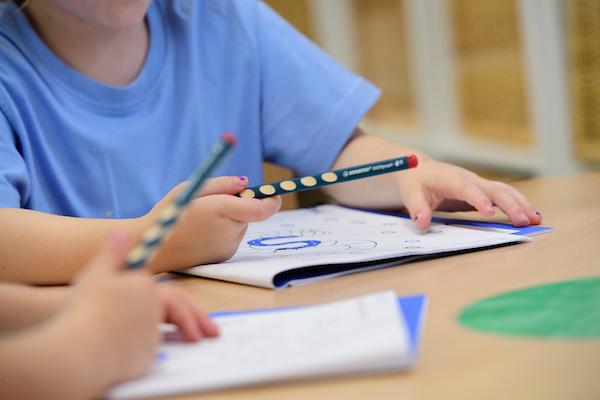
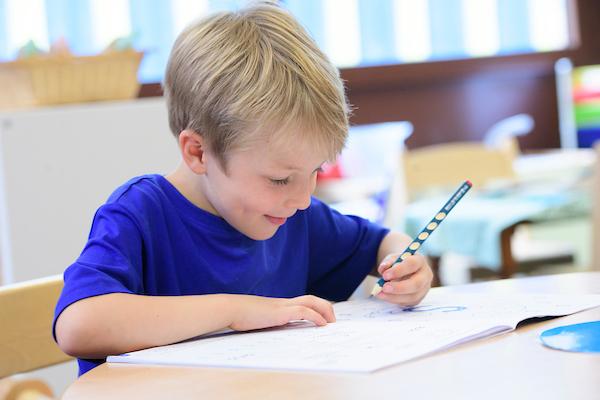
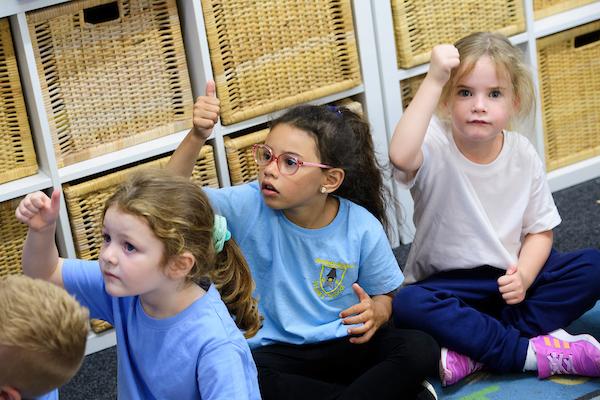
Reading and Phonics in Action






World Book Day - March 2022
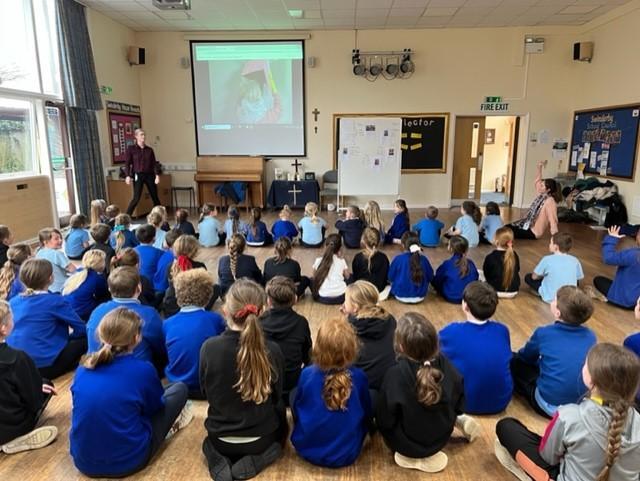
Masked Reader part 2 - Who's that behind the mask?
Following the success of last year's 'Masked Reader' we brought out part 2 at Swinderby.
Throughout the day children heard the masked reader sharing their book and used the clues to make a guess about who was behind the mask.
It was so lovely to see all the children disussing their favourite books and enjoying reading!
DId you guess who was behind our masked readers?
Reading and English Policies
Below are our policies. If you have any further questions about reading, phonics or English please contact school via Mrs Longstaff or Miss Loom
|
|
Reading Policy March 2026 | [pdf 994KB] |
|
|
|
English Policy March 2026 | [pdf 426KB] |
|