Science Curriculum
The best scientist is open to experience and begins with the idea that anything is possible.
Ray Bradbury
'We are scientists investigating why things happen.'
Intent
Here at Swinderby All Saints, we aim to develop pupils' natural curiosity and encourage them to confidently explore and discover the world around them, so that they develop a deeper understanding of the world we live in. Through our practical and enjoyable curriculum, we aim to inspire and excite our children and foster a thirst for knowledge. Our goal is that our children will leave this school as young scientists, with the knowledge and capabilities they need to be prepared for their future science learning.
By revisiting areas and building on prior knowledge the children will know more, so that they understand more and can therefore do more. Our science learning will develop both the children’s topic-specific knowledge and also their generic, process knowledge and ‘Working Scientifically’ skills - which apply to all areas of science. Examples include: how to predict, how to identify variables, how to observe, how to draw meaningful conclusions, how to research efficiently and how to evaluate science investigations.
Implementation
Before Learning
- The children’s existing topic knowledge will be assessed and considered. Planned learning will be closely based on what the children already know and what they are curious about.
- At the start of each new topic, initial lessons will introduce the subject. This will allow children to quickly accrue a basic knowledge of the subject, give them the opportunity to develop curiosity in the subject and pose questions they want to find the answer to.
- Knowledge organisers will be used in each topic. These will include the key facts and vocabulary which are essential for every child to know. These will be referred to throughout the topic.
During Learning
- Each topic is launched through a memorable and exciting experience that engages learners and sets the foundations for the learning to come.
- Technical vocabulary for the topic will be explicitly taught prior to learning in which it is needed.
- At the beginning, and throughout the topic, children will consider how the science that they are learning fits with (and follows on from) what they already know.
- Subject progression through different year groups will be planned for by teachers; will be appropriately experienced by children and will be evident in books.
- All science topics will include lessons which involve scientific enquiry and investigation; where working scientifically skills are explicitly taught, referred to and explored.
- Children will be encouraged to be curious, phrase their own scientific questions and follow their own lines of enquiry.
- Children will experience input from expert visitors, take part in fieldwork, go on school trips and have outdoor opportunities to develop knowledge.
- Children will have regular opportunities to carry out extended writing in science.
- Children will have regular opportunities to use scientific equipment to give them the experience of ‘being’ a scientist.
We follow the national curriculum for Science. Teaching and learning of science focuses both on scientific knowledge and investigation skills or ‘Working Scientifically’ Children are taught a range of Science topics throughout their time at school giving them a broad understanding of the many areas of Science.
A link to the national curriculum for Science can be found here:
We have a rolling cycle of topics which are set out in our Science Curriculum Maps below. In addition to this, our overall Science Coverage Overview details the progression of science skills through school.
Impact
We will monitor the impact of children’s learning through:
- Reflection and evaluation of learning against the National Curriculum objectives as detailed in our Science Coverage Overview.
- Tracking pupil knowledge through formative and summative assessments.
- Observations of lessons by SLT and subject leaders.
- Discussions with children.
- Monitoring books.

|
Science Overview 2025-2027 | [pdf 161KB] |

|
|
|
Science Policy February 2024 | [pdf 159KB] |
|
|
|
Science SEND Provision within lessons | [pdf 294KB] |
|
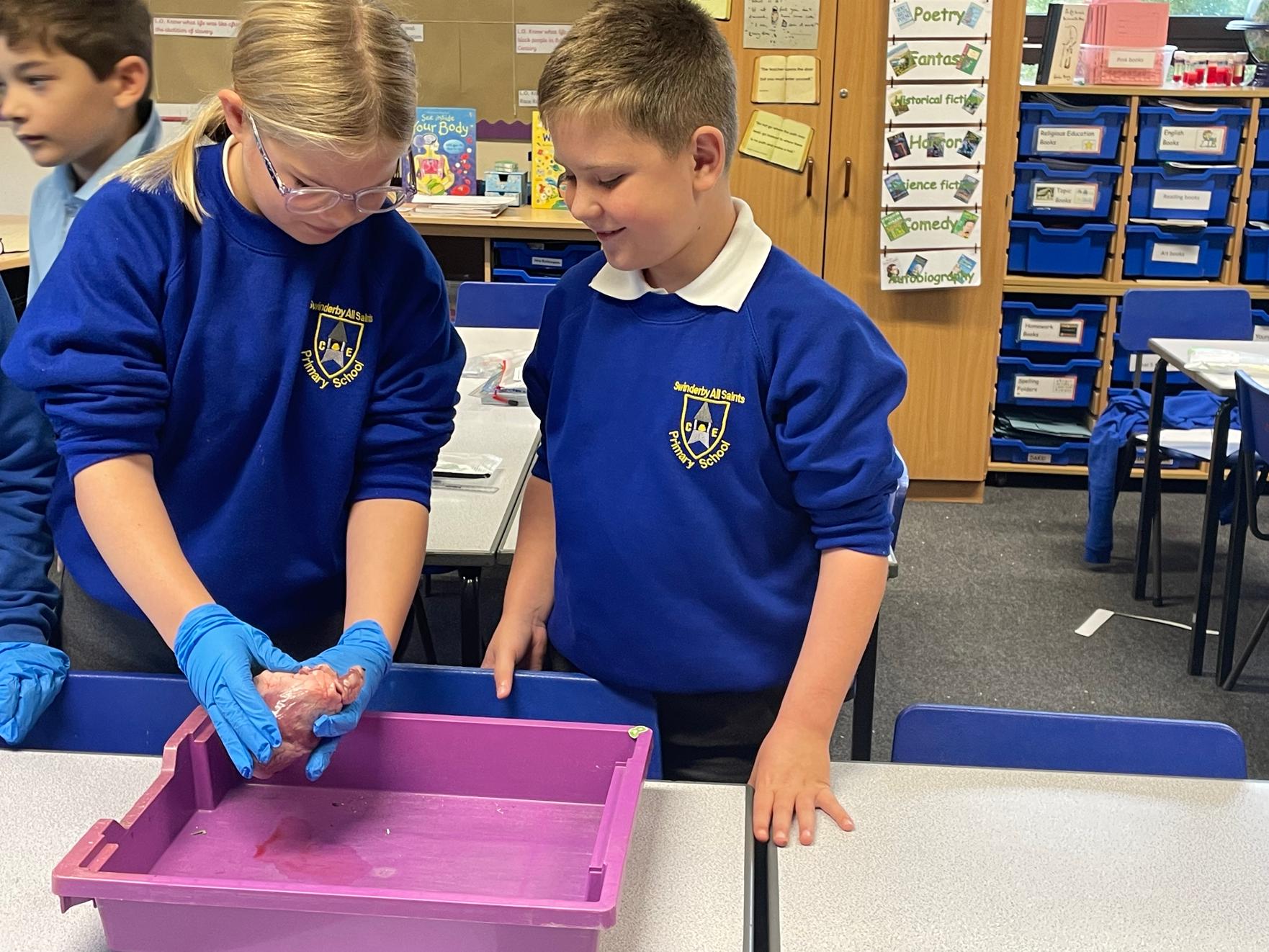
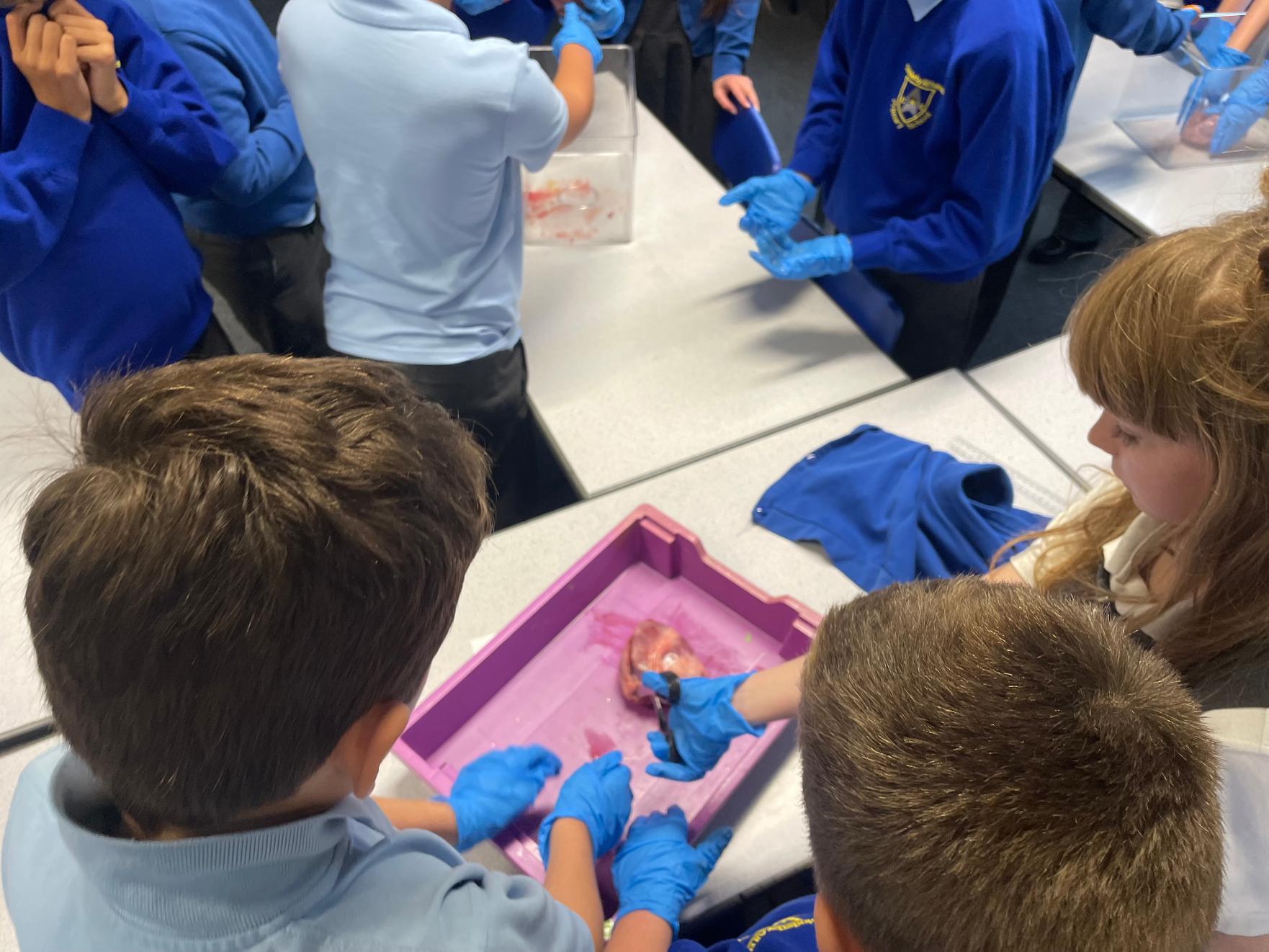
Dissecting a heart
Years 5 and 6 had the exciting opportunity to fully invetigate an animal heart through dissecting it. Take a look at the pictures to see what they got up to!


Investigating UV rays
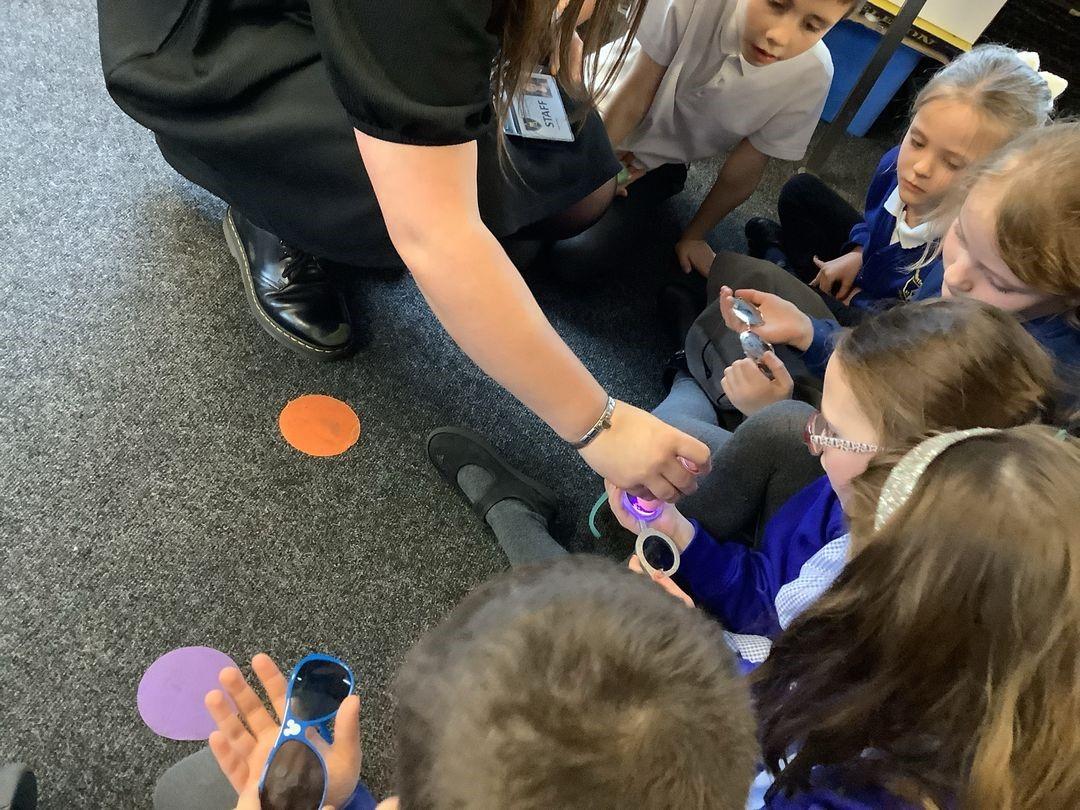
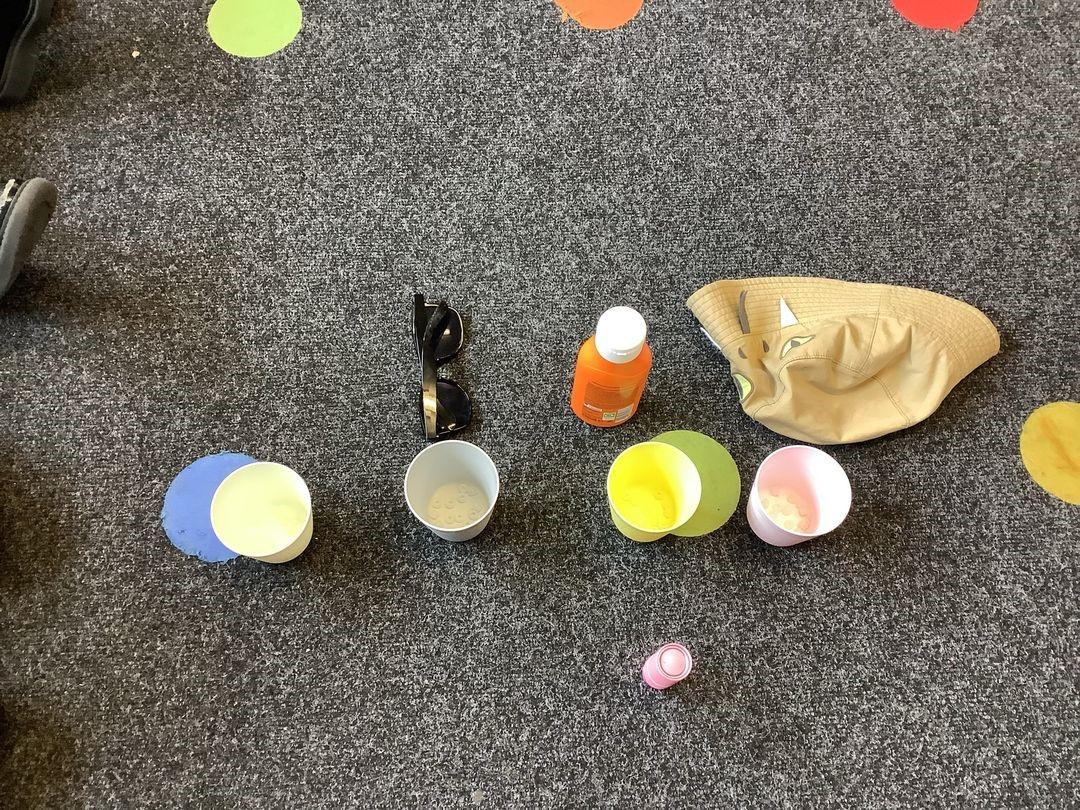
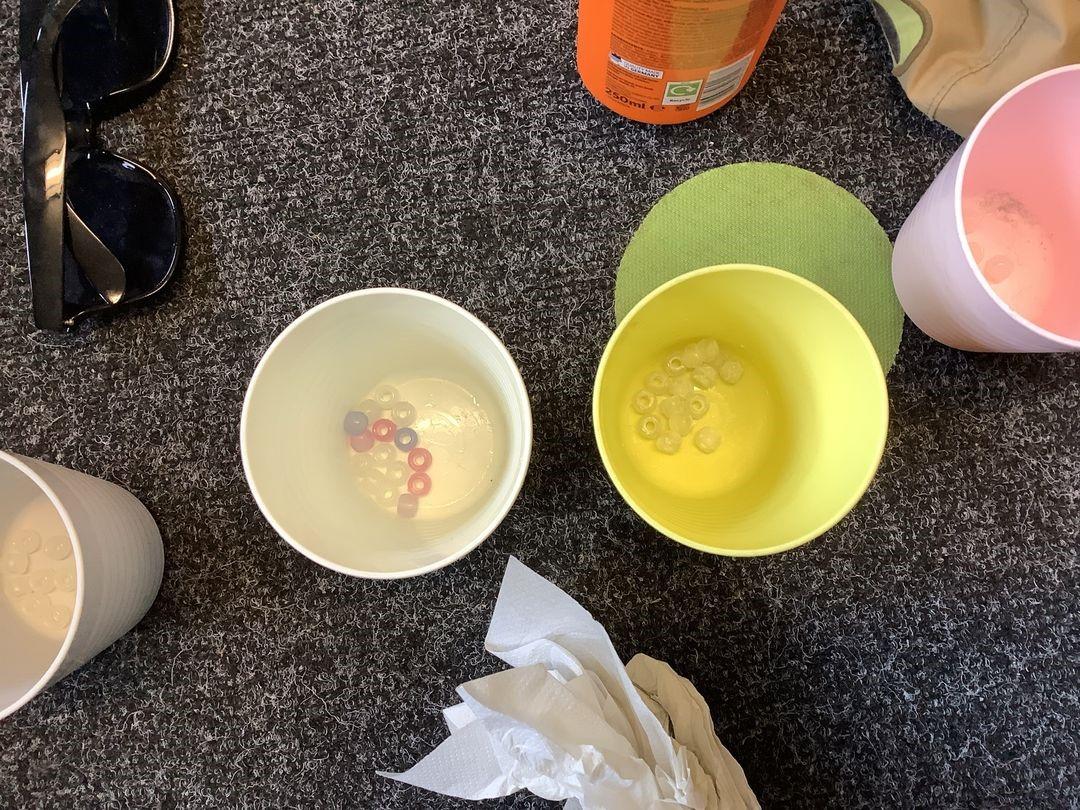
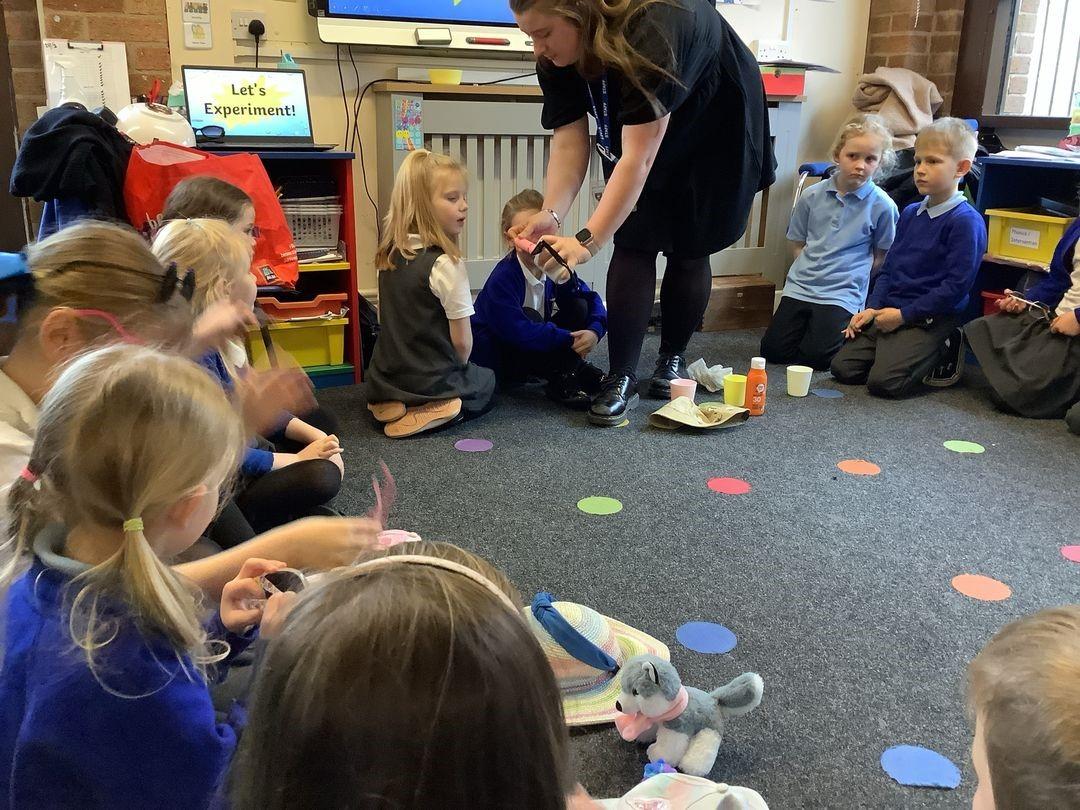
The Year 1 and 2 children had fun investigating how light works and exploring the dangers of UV lights. They especially enjoyed wearing their sunglasses around school in February!


Class 3 magnet investigation.


We used iron filings to see what would happen when we moved magnets around and put different poles together.