Design & Technology
‘Design is not just what it looks like and feels like. Design is how it works.’ Steve Jobs
"We are designers inventing"
INTENT:
Swinderby All Saints wants every child to be inspired and think creatively to solve problems both as individuals and members of a team. We want them to design and make products that solve real and relevant problems within a variety of contexts considering their own and others needs and wants.
IMPLEMENTATION:
The school follows a topic-based approach over a two-year rolling programme with some focussed Design & Technology topics and some cross curricular work. These topics are mapped to ensure that the key knowledge and skills are built upon to ensure progression. During these Design & Technology focussed topics they will be taught how to plan, design and make different types of products. Through a variety of creative and practical activities, we teach the knowledge, understanding and skills needed to engage in a process of designing and making. The children design and create products that consider function and purpose and which are relevant to a range of sectors (for example, the home, school, leisure, culture, enterprise, industry and the wider environment).
When designing and making, the children are taught to:
Design:
- use research and develop design criteria to inform the design of products that are fit for purpose, specific for a design brief and aimed at particular individuals or groups.
Use research to modify an existing product with a design issue:
- generate, develop, model and communicate their ideas through discussion, annotated sketches, cross-sectional diagrams, prototypes, pattern pieces and computer-aided design.
Make:
- select from and use a wider range of tools and equipment to perform practical tasks (for example, cutting, shaping, joining and finishing, as well as chopping and slicing) accurately.
- select from and use a wider range of materials, ingredients and components, including construction materials, textiles and ingredients, according to their functional properties, aesthetic qualities and, where appropriate, taste.
Evaluate:
- investigate and analyse a range of existing products.
- evaluate their ideas and products against their own design criteria and consider the views of others to improve their work.
- understand how key events and individuals in design and technology have helped shape the world.
Technical knowledge:
- apply their understanding of how to strengthen, stiffen and reinforce more complex structures.
- understand and use mechanical systems in their products.
- understand and use electrical systems in their products.
- apply their understanding of computing to program, monitor and control their products
- Understand some of the ways that food can be processed and the effect of different cooking practices (including baking and grilling).
A link to the national curriculum for Design and Technology can be found here:
We have a rolling cycle of topics which are set out in our Design and Technology Long Term Overview.
INTENDED IMPACT:
We ensure the children:
A good quality finish will be expected in all design and activities made appropriate to the age and ability of the child
Children learn how to take risks, becoming resourceful, innovative, enterprising and capable citizens. Through the evaluation of past and present design and technology, they develop a critical understanding of its impact on daily life and the wider world. High-quality design and technology education makes an essential contribution to the creativity, culture, wealth and well-being of the nation.
- develop the creative, technical and practical expertise needed to perform everyday tasks confidently and to participate successfully in an increasingly technological world.
- become as innovative and creative as they can be to solve a problem
- build and apply a repertoire of knowledge, understanding and skills in order to design and make high-quality prototypes and products for a wide range of users and critique, evaluate and test their ideas and products and the work of others
- understand and apply the principles of nutrition and learn how to cook. Cooking sessions in both cookery club and during lessons will give the children opportunities to use produce grown from the school grounds Children will design and make a range of products.

|
PRIMARY national curriculum - Design and technology | [pdf 141KB] |

|
|
|
Design and Technology Policy April 2026 | [pdf 205KB] |
|

|
D&T Action plan CH 2025-26 | [doc 652KB] |
|
SEND adaptations for Design and Technology
|
|
SEND Adaptations for Design Technology | [pdf 57KB] |
|


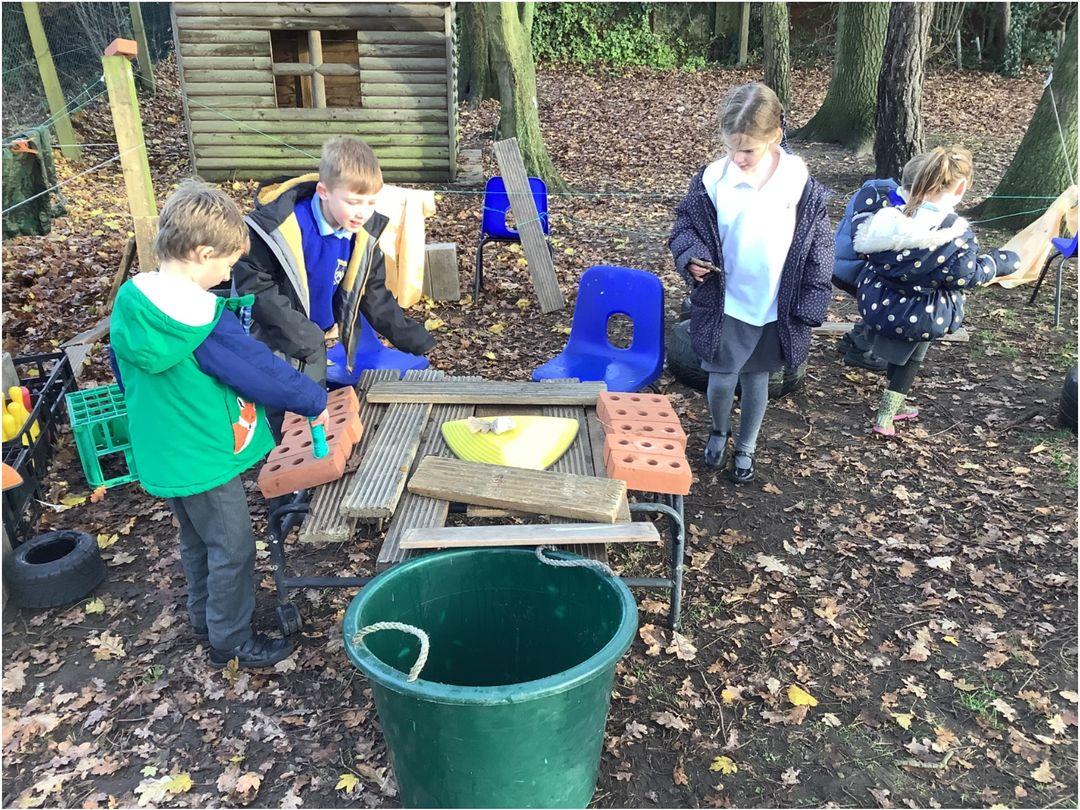


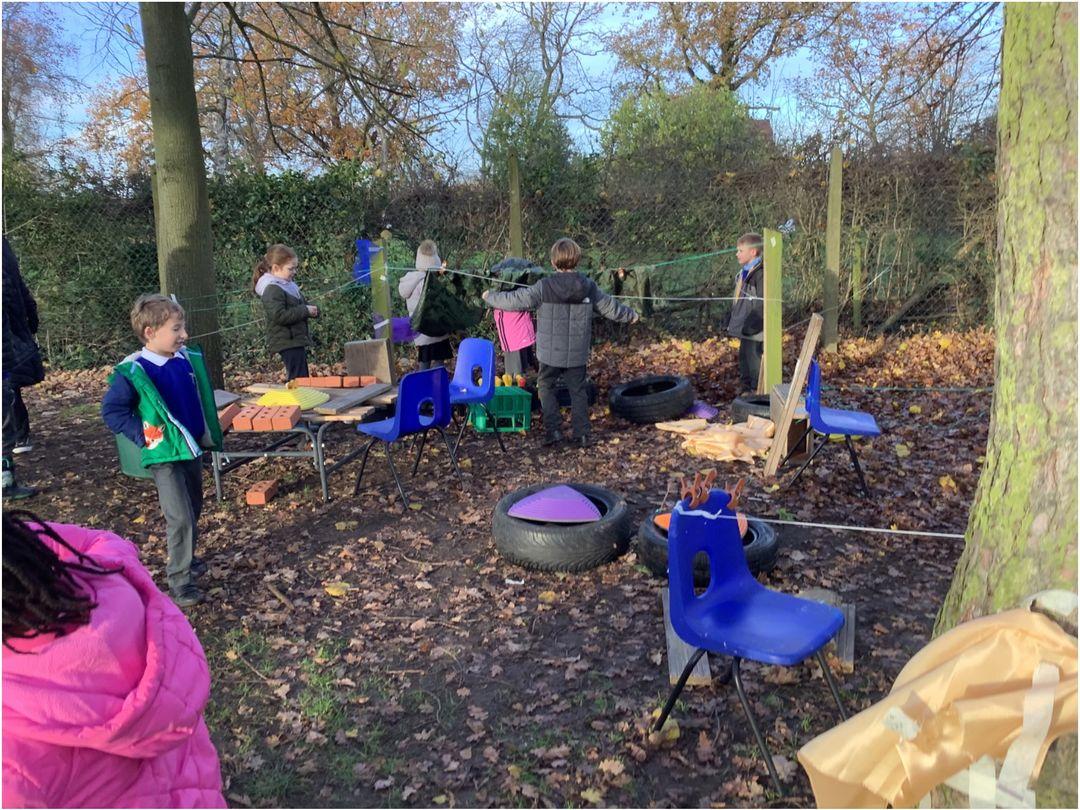
Den building
Class 1 worked hard in Autumn 2.
They explored lots of materials and ways that they could connect different objects, then designed a play den each.
Then they collated their ideas, had a discussion and collected lots of resources to create their very own play den in the playground.


Bell Beaker Pottery
Class 3 made pots in the style of the Bell Beaker People.
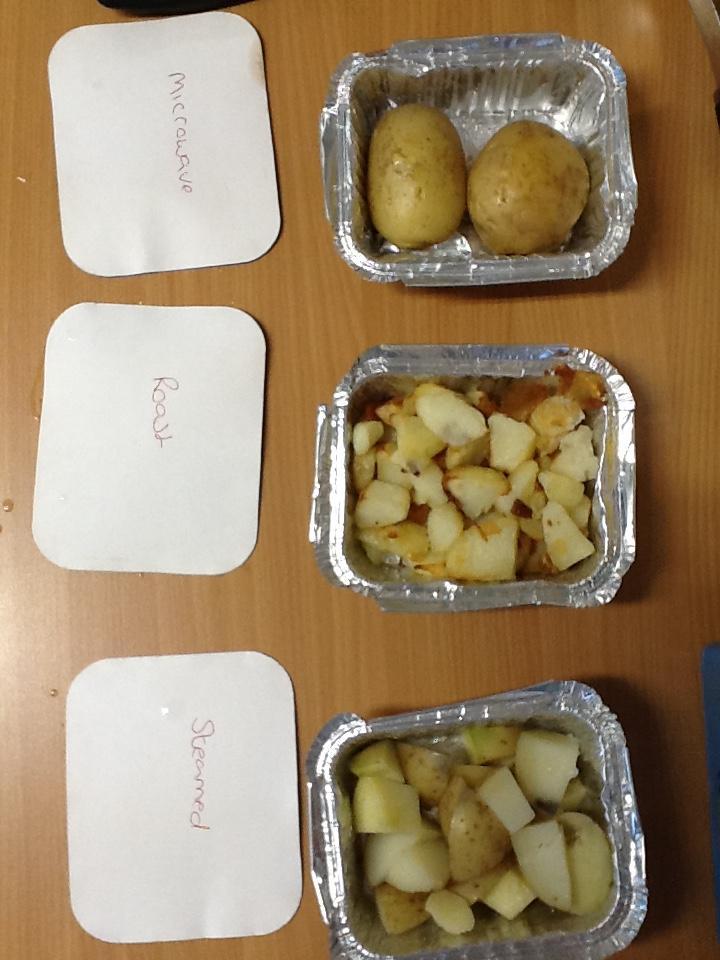
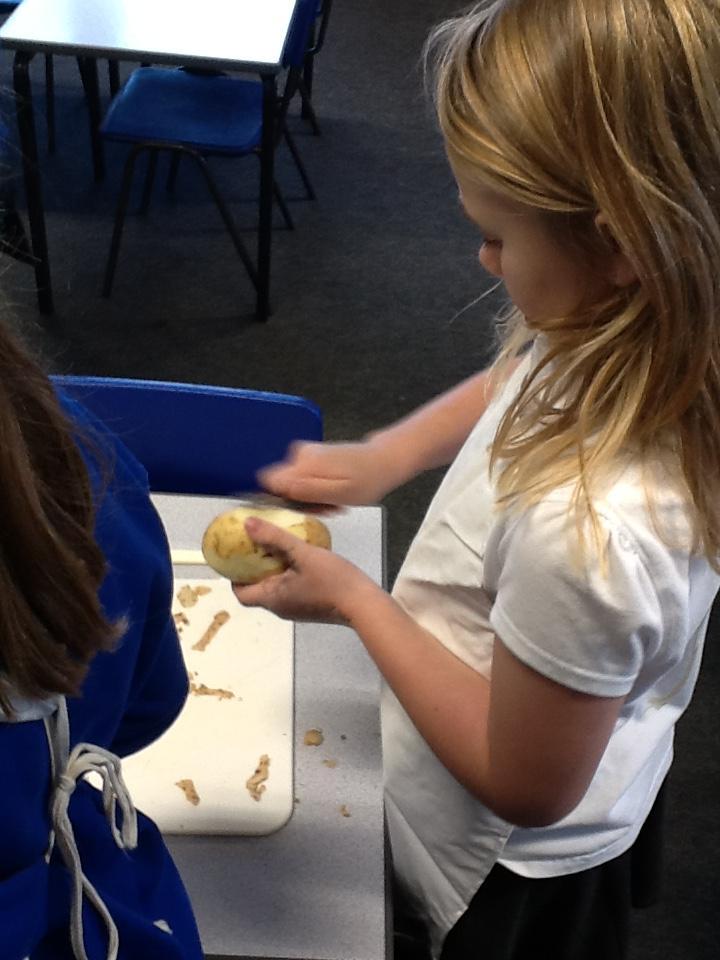
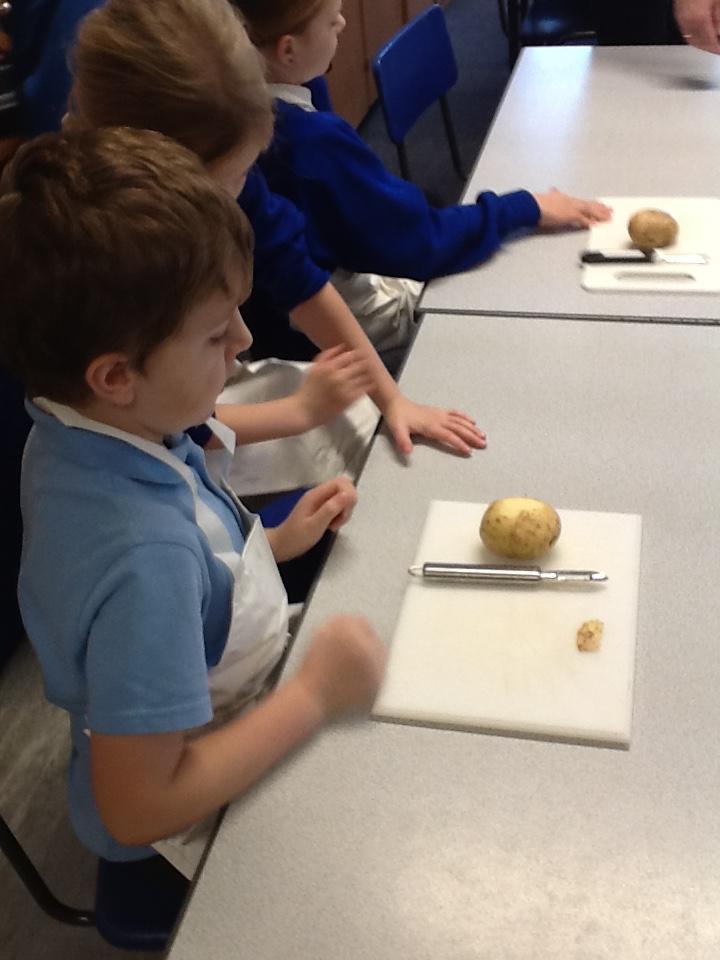
Class 3 Potato investigation
We looked at the best way of cooking potatoes - the children thoroughly enjoyed the tasting session!

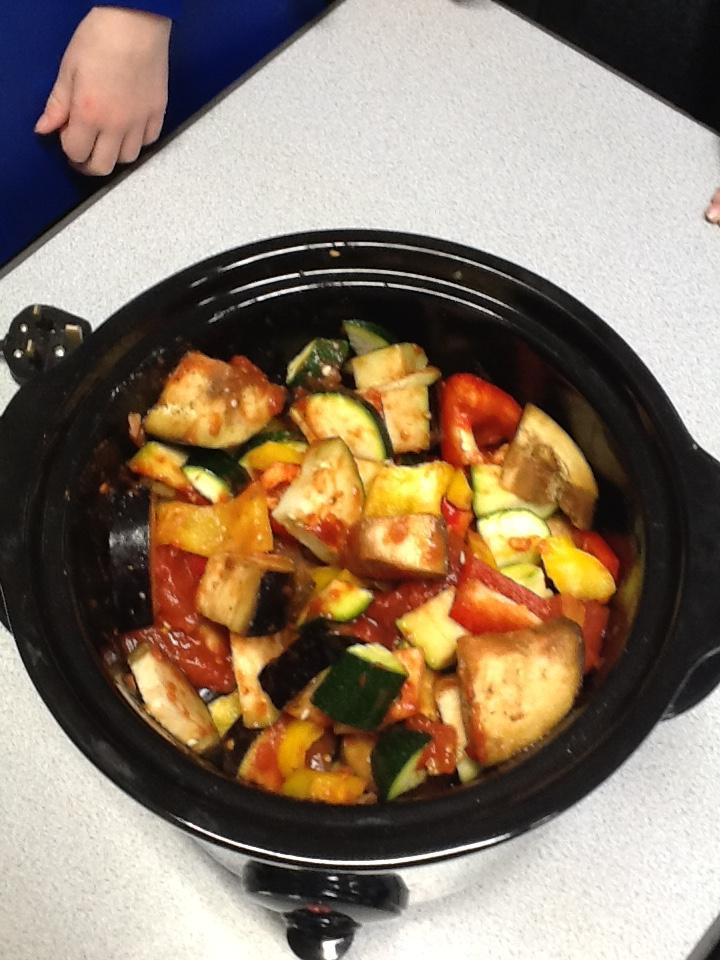
Class 3 - Ratatouille
We had fun making a ratatouille - responses were mixed when we tasted it!!


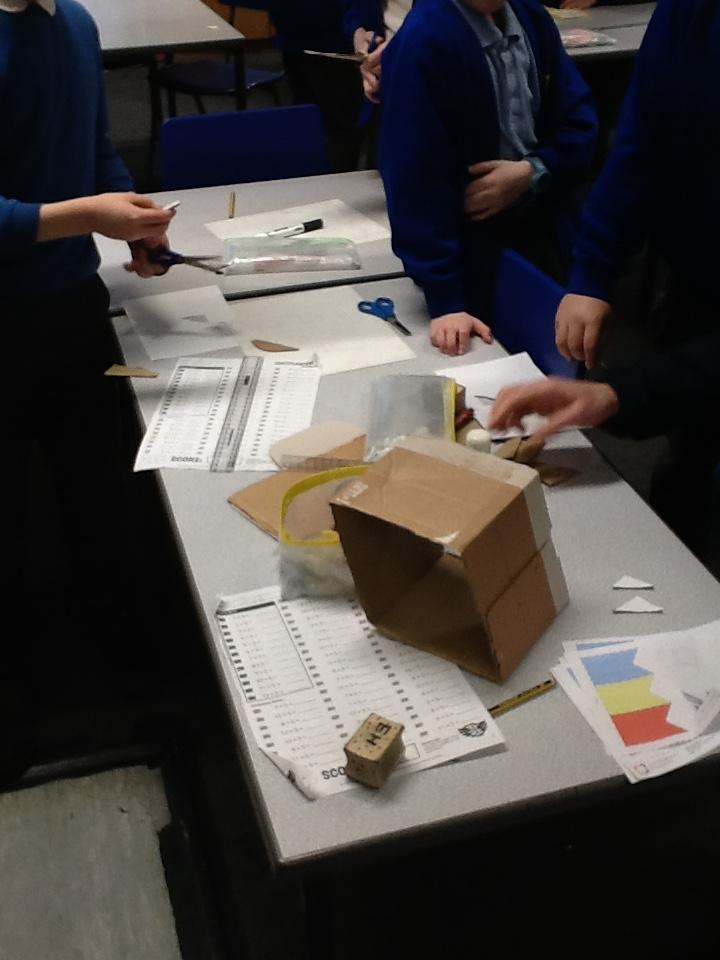
Class 3 - Investigating and making cams

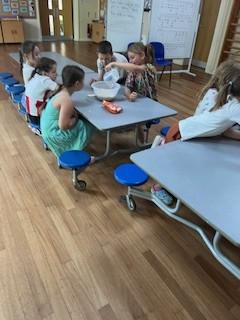
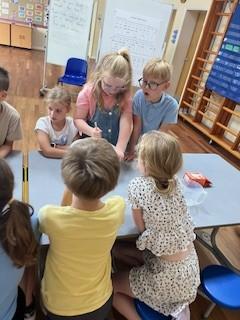
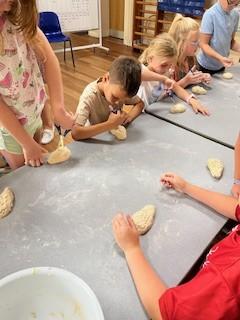
Class 4 breadmaking
Class 4 had fun making and baking their own bread!




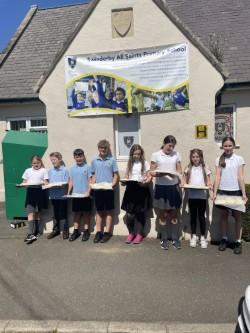
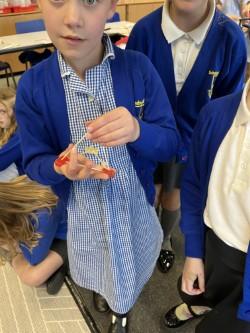
Class 3 structure investigation.


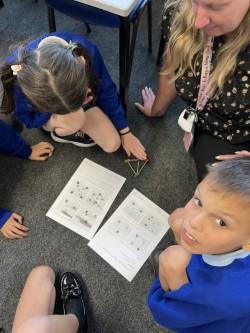
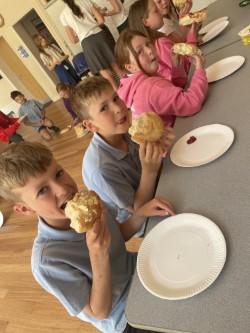
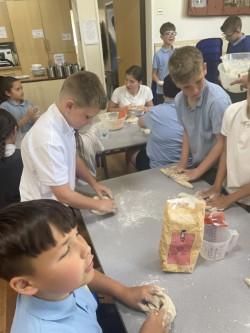
Class 3 Bread Making - June 2025