Writing
‘Words are our most inexhaustible source of magic.’
J.K Rowling
INTENT:
Swinderby All Saints wants every child to become writers able to express their thoughts and feelings.
Here at Swinderby Primary school writing alongside reading is given the highest priority as we want pupils to be able to use a knowledge of language and texts to communicate their thoughts and feelings to others. We recognise the importance of phonics as a tool to enable this in the early years, and aim for all children to be fluent and effective writers drawing on their knowledge of grammar and text structures to write for a range of purposes and audiences.
IMPLEMENTATION:
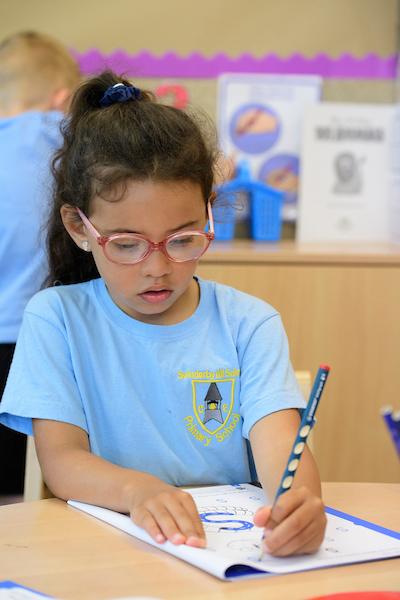
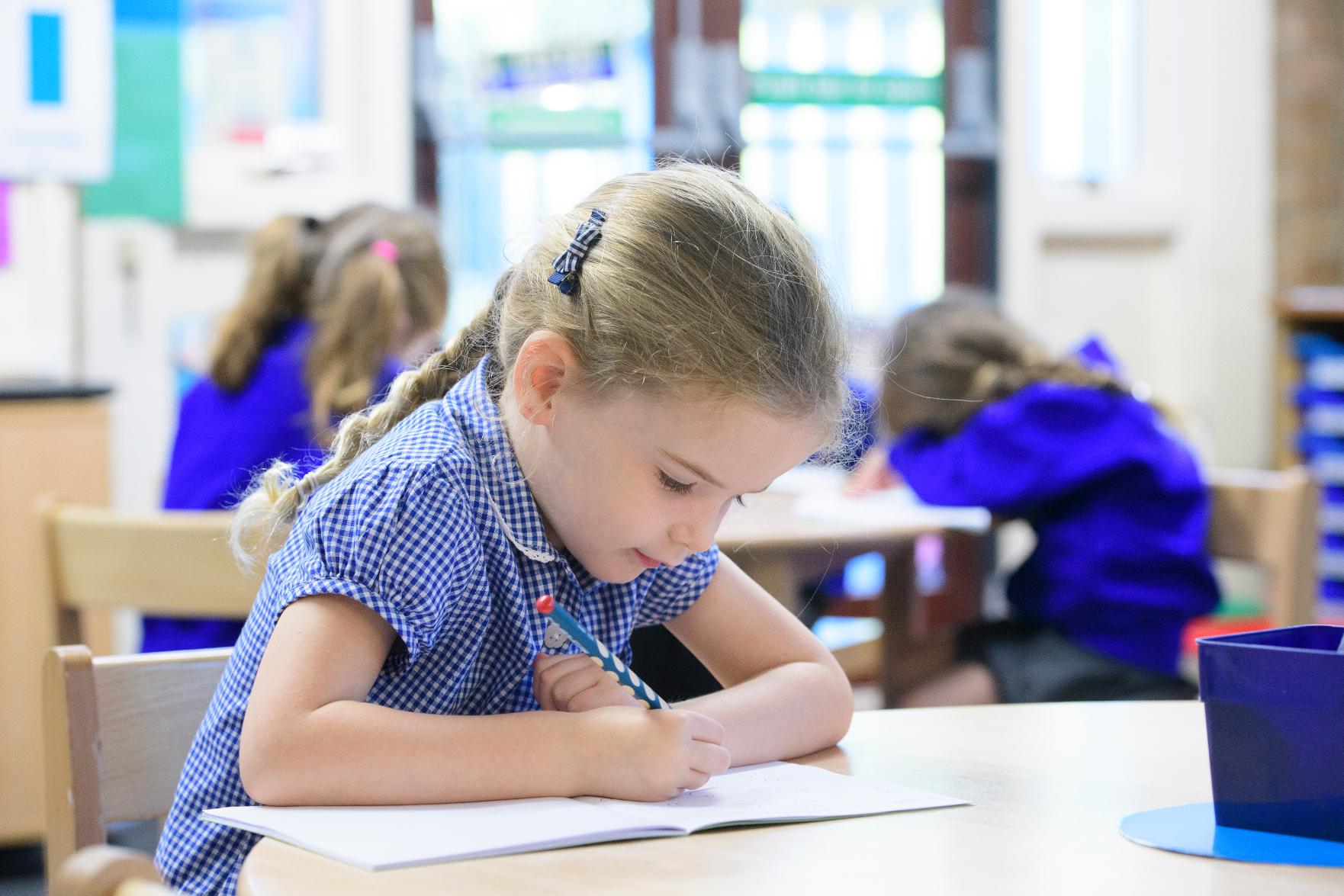
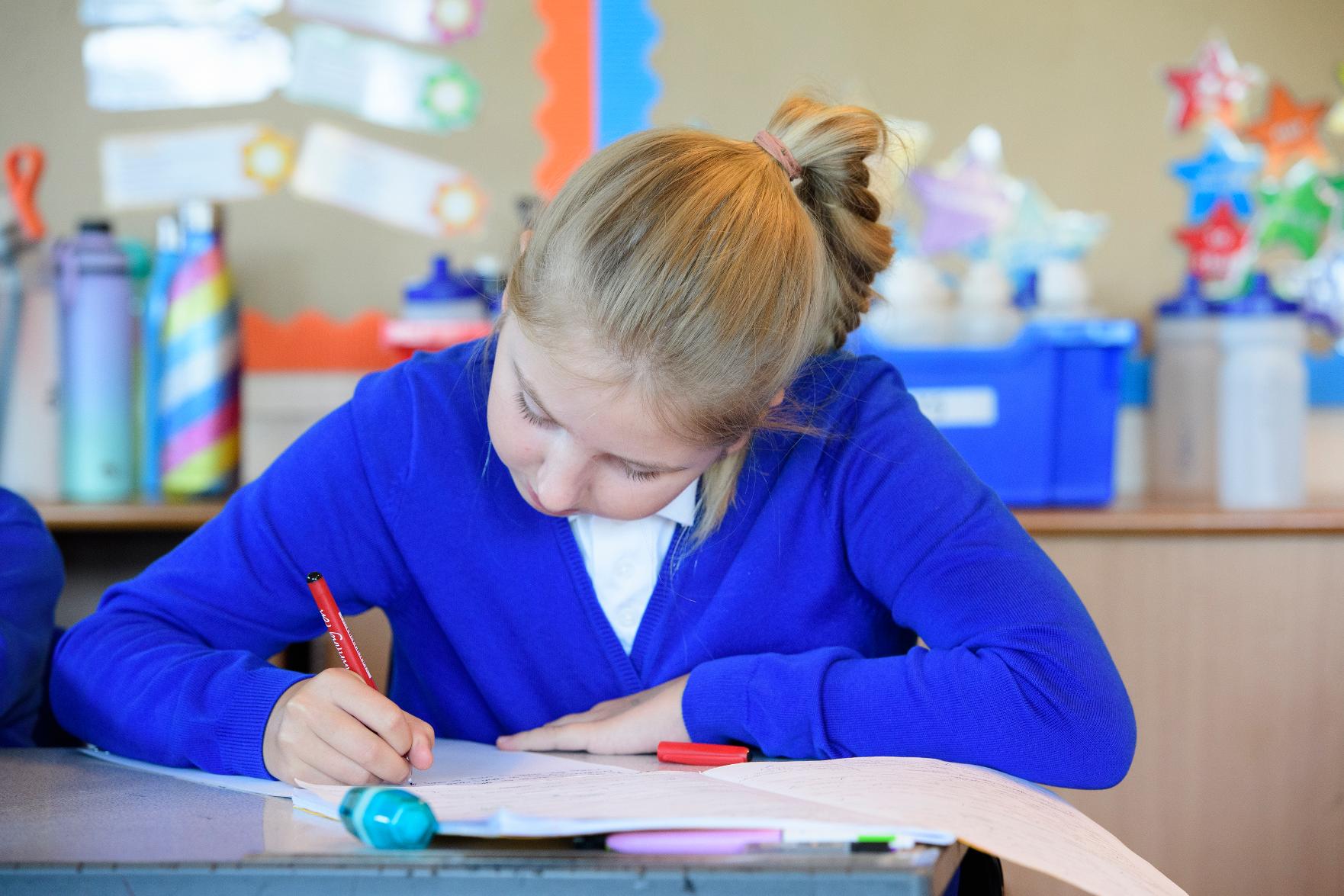
Writing is taught daily in all classes at Swinderby All Saints. From entry into school children’s mark making is celebrated and as part of the phonics teaching children learn how to form letters correctly. The Oxford Owl handwriting programme is followed from Reception to Year 2 enabling children to learn how to form letters correctly and move to having a fluent, cursive style. Younger children develop their muscles needed for sustained writing through the ‘Dough Disco’ programme. This allows for them to tackle the demands of the academic curriculum as they move beyond primary school.
The writing curriculum follows the requirements of the National Curriculum and is sequenced and planned in its level of skill and knowledge required.
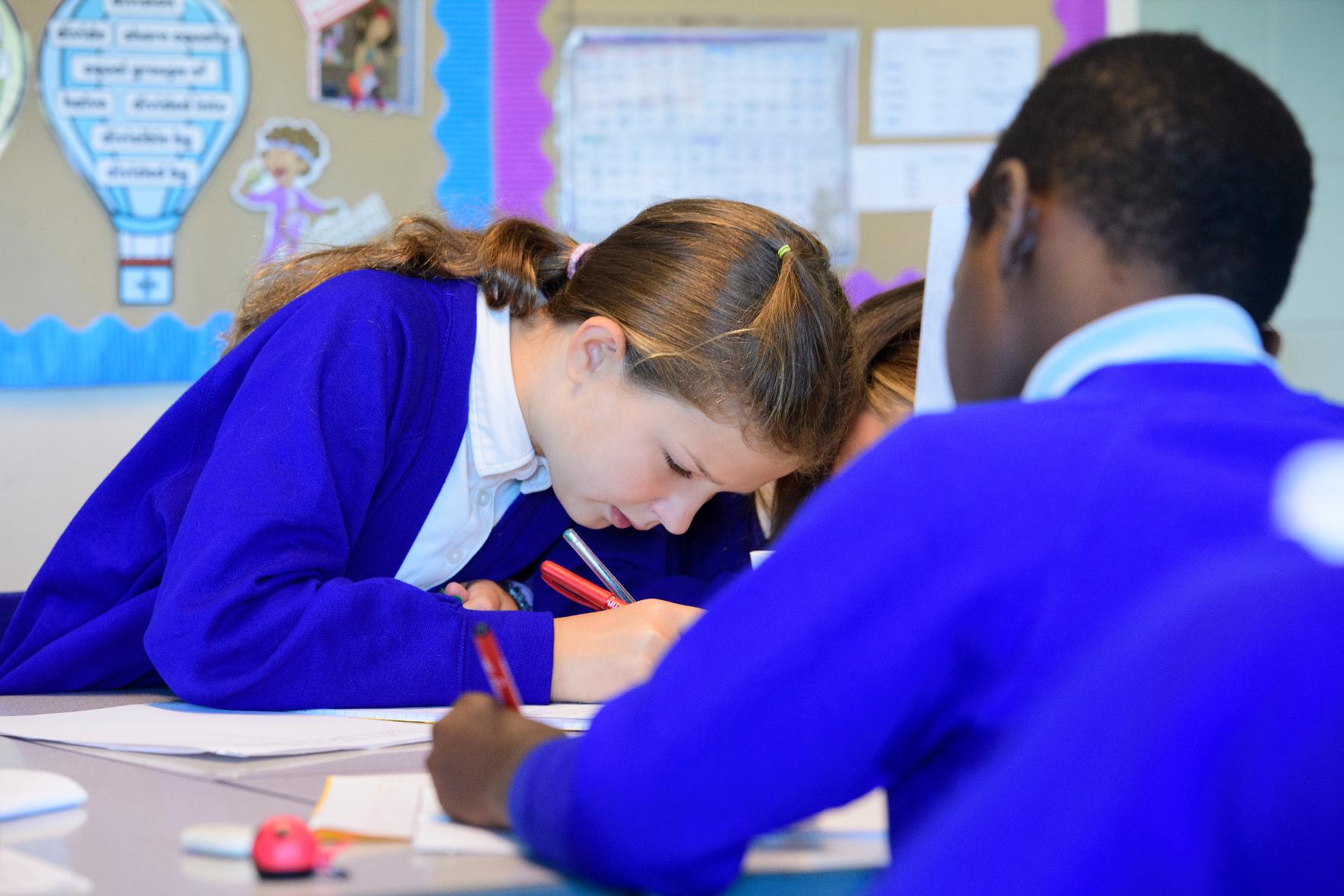
Composition, drafting and editing is taught through teaching a series of sequenced lessons, often linked to high quality text that is suitable for the age group. Children learn to adapt their language and style for a range of contexts, purposes and audiences and learning is developed through modelled, scaffolded and independent writing opportunities.
Grammar is taught as part of this process and will also be taught discreetly as appropriate.
Children in Year 2 upwards are taught spelling as part of the ‘Read, Write, Inc. spelling programme.’ They work daily in age-appropriate groups and are assessed regularly. Any additional spelling work required is carried out in small intervention groups.
We teach phonics daily in discrete sessions but it is embedded throughout all learning. We aim for our Phonics sessions to be multi-sensory, interactive, fun and focussed on deepening children's understanding and developing reading and writing skills. When the children reach Year 2, their phonics and spelling is supplemented with the ‘RWI Spelling’ scheme.
INTENDED IMPACT:
- Children will become independent fluent writers able to cope with the wider curriculum
- Children will be able to write for different purposes including narrative, non-fiction, chronological reports etc
- Children will use writing as a mean of expressing themselves
- Children will attain at least expected standards in writing
- Children will have a sound knowledge of grammar and able to use it in their writing
- Children will be able to spell the common exception words for their year group
- Children will use their knowledge of spelling patterns to spell many other words or to make a phonetically plausible attempt

|
Swinderby Writing Long Term Plan Website | [pdf 168KB] |

|
|
|
Swinderby Handwriting progression map Website | [pdf 232KB] |
|
|
|
Swinderby Grammar curriculum overview website | [pdf 119KB] |
|

|
2025-2026 Writing Long Term Overview | [docx 34KB] |
|
|
|
English Policy March 2026 | [pdf 426KB] |
|
|
|
Writing Expectations HO R-Y6 update | [pdf 276KB] |
|
Writing at Swinderby